
Affordable Touch Screen Technologies

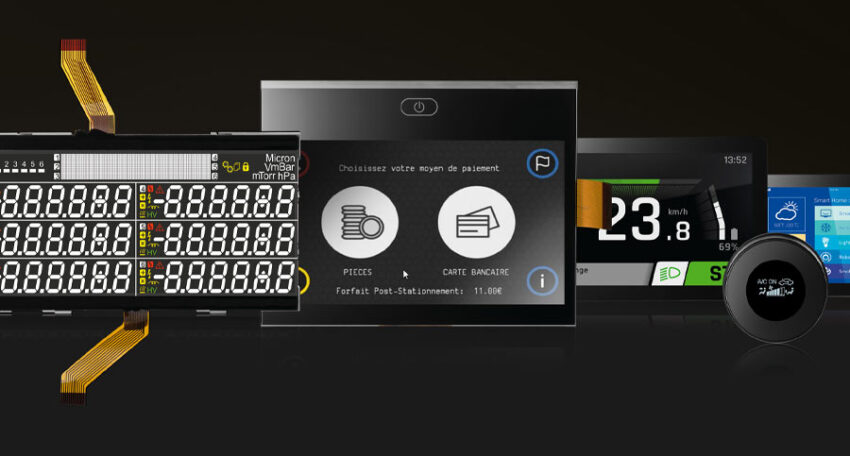
With the release of the first iPhone in 2007, Apple created a completely new control of devices that is almost exclusively done via a touch-sensitive screen and also allows interaction via gestures (the gesture with the two spreading fingers for zooming pictures is probably the best known). Over this relatively short period of 14 years, the behavior of users has changed completely: Whereas touching display surfaces was mostly taboo until then, it is now expected that something happens when screens are touched or "stroked".
Read more

Display limit values: the lifetime

In order to fully understand the limit value "lifetime", it is worthwhile to consider the temperature ranges of a display first, as it can have a significant influence. In display specifications, manufacturers usually mention 2 parameters: the storage temperature and the operating temperature
Read more

RTP vs. PCAP

The slightly older readers will surely remember: just 15 years ago, it was an absolute taboo to even touch a display surface with your fingers. However, the way applications are operated through touch on the display surface has fundamentally changed since then. This can be well observed at our trade show appearances: Nowadays, users expect something to happen when they press a display. If nothing happens, the user's first reflexive question is whether the display is faulty.
Read more

What is Mini LED?

OLED, QLED, Neo QLED, NanoCell or Micro LED and Mini LED: Terms that get frequently thrown around in the TV industry. At first glance, it's often unclear whether these are marketing gimmicks or real innovations. Confusion is almost guaranteed.
Read more

MIP vs. ULP

Especially for battery-powered devices or applications with a “weak” power supply over bus systems, there is a need for energy-saving display solutions. Besides E-Paper displays and classic passive LCDs, two lesser-known liquid-crystal-based display types, called ULP and MIP, can also be considered for such use cases. In this report, we focus on these two technologies.
Read more

The most common display interfaces

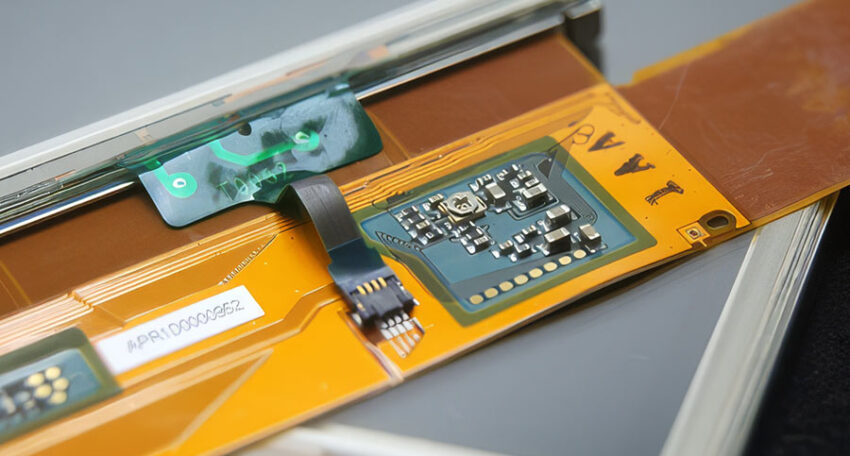
There is a confusing variety of different interface types for displays. To help you choose the right interface, we bring some order to this chaos and provide you with an overview and guide below. In this article, we will exclude the control of displays without logic (such as passive LCDs or LED displays without an integrated controller). Controlling these usually requires a specialized driver chip to be placed on the application circuit board.
Read more

How does a liquid crystal display (LCD) work?

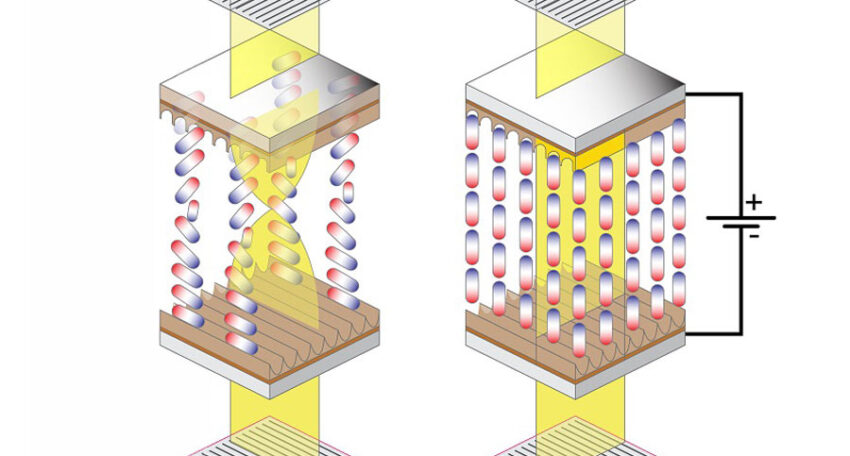
LCD stands for "Liquid Crystal Display." In today’s world, LCDs are ubiquitous – found in smartphones, computers, televisions, and everyday items like calculators and refrigerators. But how exactly do LCDs work? In this blog post, we take a closer look at their basic functionality.
Read more

Recent Posts

Popular keyword