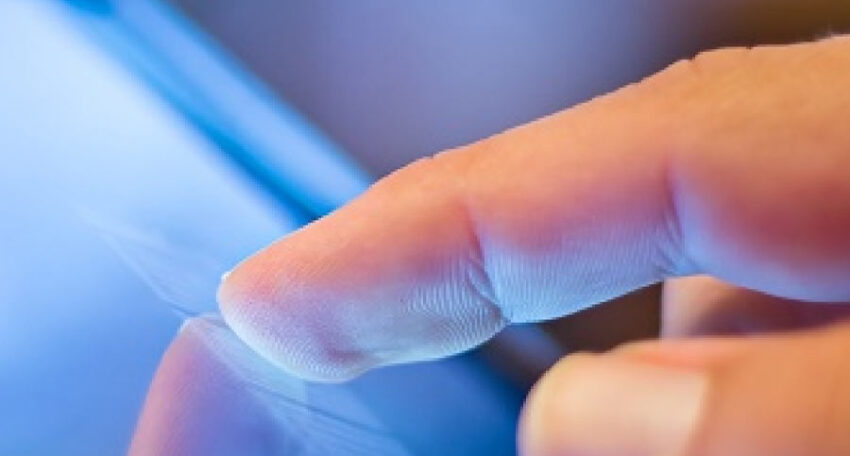
Affordable Touch Screen Technologies

With the release of the first iPhone in 2007, Apple created a completely new control of devices that is almost exclusively done via a touch-sensitive screen and also allows interaction via gestures (the gesture with the two spreading fingers for zooming pictures is probably the best known). Over this relatively short period of 14 years, the behavior of users has changed completely: Whereas touching display surfaces was mostly taboo until then, it is now expected that something happens when screens are touched or "stroked".
Read more

What is “image sticking”?

Image sticking, also known as “image retention” or “ghost image”, is a phenomenon in which the displayed image stays faintly visible after changing the content. This phenomenon has been known since the birth of the LCD display and continues to bother panel manufacturers and end users to this day.
Read more

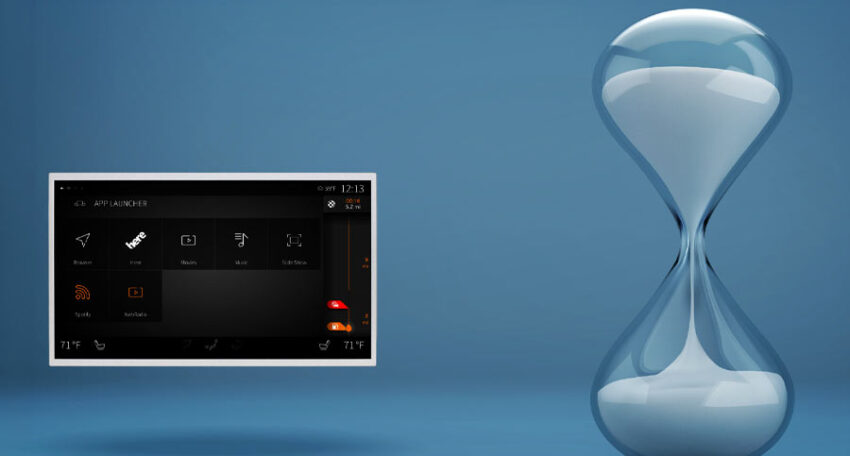
Display limit values: the lifetime

In order to fully understand the limit value "lifetime", it is worthwhile to consider the temperature ranges of a display first, as it can have a significant influence. In display specifications, manufacturers usually mention 2 parameters: the storage temperature and the operating temperature
Read more

Optical Bonding vs. Air Gap Bonding

We all know the effect: Wherever you encounter a display, you almost automatically assume it has a touch screen. This is obvious, because nowadays new TFT solutions are very rarely equipped without a touch panel. From resistive touch panel (RTP, via pressure) to capacitive touch panel (PCAP, via conductivity), there are various possibilities.
Read more

RTP vs. PCAP

The slightly older readers will surely remember: just 15 years ago, it was an absolute taboo to even touch a display surface with your fingers. However, the way applications are operated through touch on the display surface has fundamentally changed since then. This can be well observed at our trade show appearances: Nowadays, users expect something to happen when they press a display. If nothing happens, the user's first reflexive question is whether the display is faulty.
Read more

Cover lens made of plastic or glass?

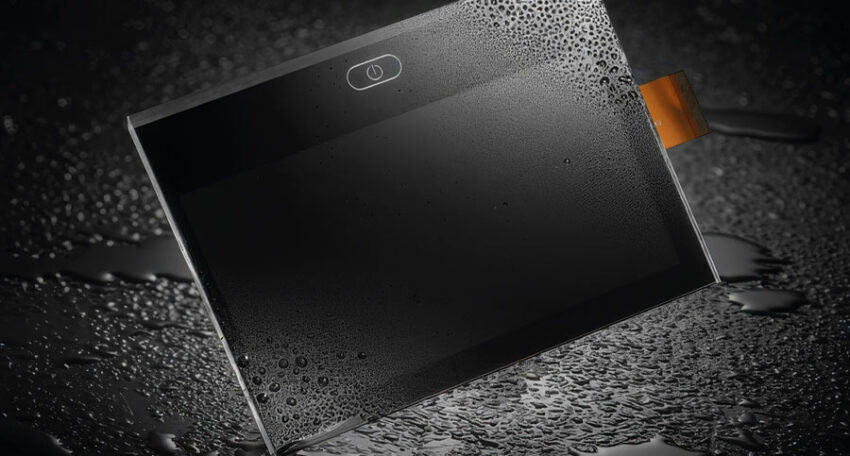
There are basically two different types of cover lens material: glass and plastic. The decisive factor in deciding between the two materials is usually the desired hardness. Nowadays, glass cover lenses are mostly used due to various factors, which is why they are also called cover lenses.
Read more

Organic printing vs. ceramic printing

LCD displays are found in many areas of everyday life, from smartphones and tablets to televisions and monitors. An important component of an LCD display is the cover lens, which protects an LCD from damage and improves colour reproduction. In recent years, two printing processes have become established for printing LCD cover lenses: organic printing and ceramic printing. In this blog post, these two printing methods will be described in detail and compared. The limitations of each printing process in terms of material, size and application area will also be considered.
Read more

What is Mini LED?

OLED, QLED, Neo QLED, NanoCell or Micro LED and Mini LED: Terms that get frequently thrown around in the TV industry. At first glance, it's often unclear whether these are marketing gimmicks or real innovations. Confusion is almost guaranteed.
Read more

IK rating & coverlens thickness

In some cases, displays must withstand extreme conditions. This could be in industrial environments, public spaces or transportation. Two essential factors that determine the resilience and longevity of displays are the IK ratings and the thickness of the cover lens. This article explores the significance of these protective measures and explains how they contribute to making displays reliable and durable in demanding environments. It covers both the classification according to IK protection standards and the choice of optimal thickness of cover lenses to ensure a balanced relationship between protection and functionality.
Read more

Recent Posts

Popular keyword